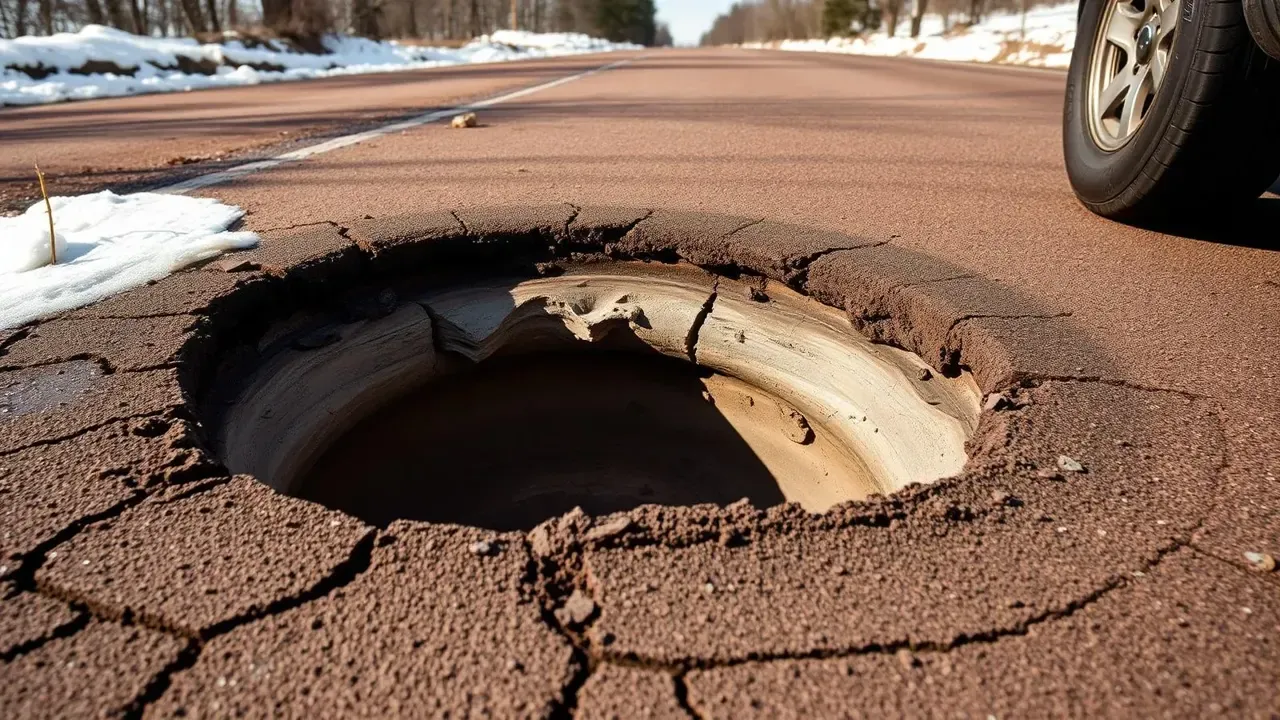
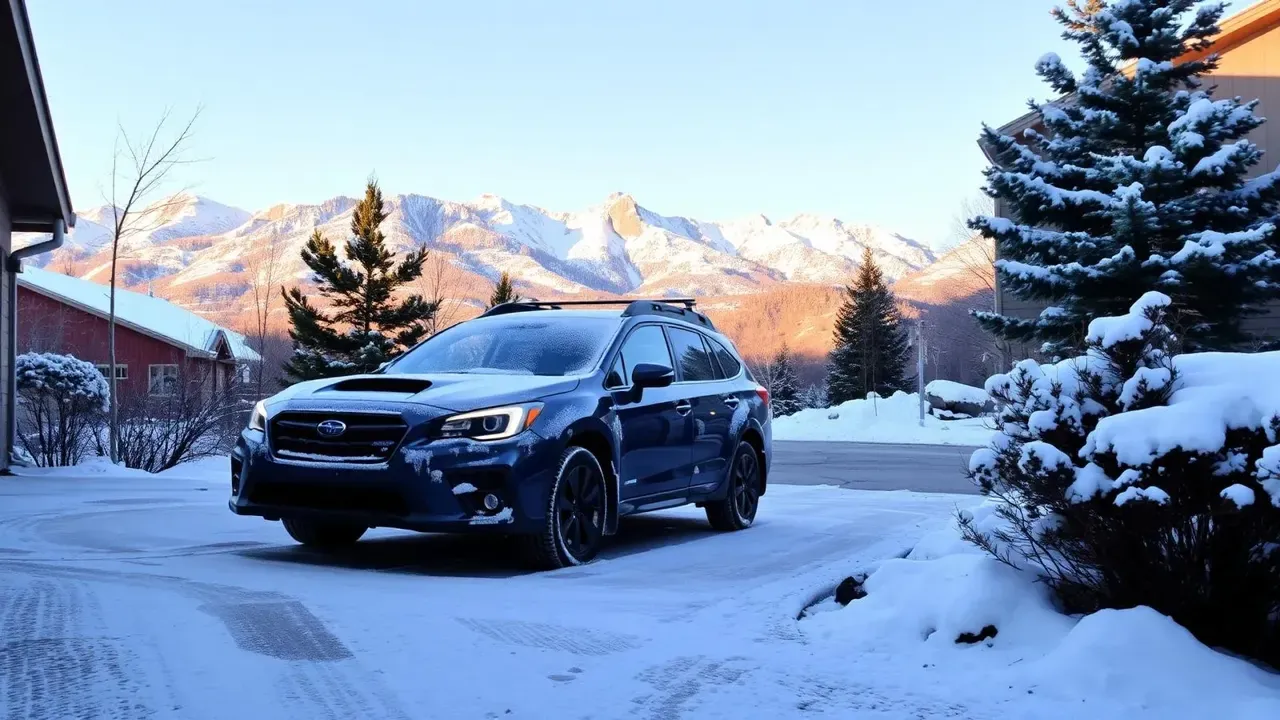
Boulder winters are not Minnesota winters. They are weirder. We will hit 65 degrees and sun on a Wednesday and be in single digits with horizontal snow by Friday. That whiplash is the real test on a car. Here is the prep list we walk every customer through before the first real storm of the season.
Tires first, always
No system on the car matters more in winter than tires. Check tread depth (4/32 inch is our recommended winter minimum), look at the date code on the sidewall (six-plus years and the rubber is hardening), and consider whether all-season really cuts it for your driving. If you ski every weekend or live in the foothills, a dedicated winter tire or a 3PMSF-rated all-weather tire will change your life.
Battery health
Cold cuts cranking power roughly in half. A battery that started fine in October may not in January. We test under load for free. Three years of age is the start of the watch zone. Five years is replacement time before it strands you in the King Soopers parking lot at minus 5.
Coolant and the freeze point
Antifreeze breaks down over time. A flush is due roughly every five years on most cars (check your owner's manual). Old coolant loses its freeze protection and its corrosion inhibitors. Both matter when overnight lows hit zero.
Wipers and washer fluid
Replace your blades every fall. Use a winter washer fluid rated to at least minus 20 degrees. The cheap blue stuff freezes on contact and turns your windshield into a smear at exactly the wrong moment.
Brakes and brake fluid
Cold pads are stiffer pads. Marginal pads in October are unsafe in January. We measure pad thickness with a gauge, check rotor surface, and test brake fluid for moisture content. Wet brake fluid boils at lower temperatures and can fail on a long mountain descent.
Heater and defroster
A working defroster is a safety system. Cabin filter clogged with summer dust is the most common cause of weak airflow. We change them in 10 minutes.
Lights, all of them
Walk around the car with a friend pressing brake, turn signal, and reverse. Dim or burned-out bulbs are easy to miss until the passenger says "your right brake light is out."
The emergency kit
- Jumper cables or a lithium jump pack
- 12V tire inflator
- Tow strap
- Folding shovel
- Warm layer, hat, gloves for every passenger
- Two liters of water and snacks
- Headlamp with fresh batteries
- Phone charger that works without the engine running
The five-minute habit
In deep cold, give the engine 30 seconds before driving (let oil pressure stabilize), then drive easy for the first few miles. Modern engines do not need a 10-minute warmup. They do need you to not floor it cold. That habit alone adds tens of thousands of miles to engine life.
Legacy Automotive Team
Boulder's NAPA Gold Certified shop since 2013. Real techs, honest writing, no AI fluff.