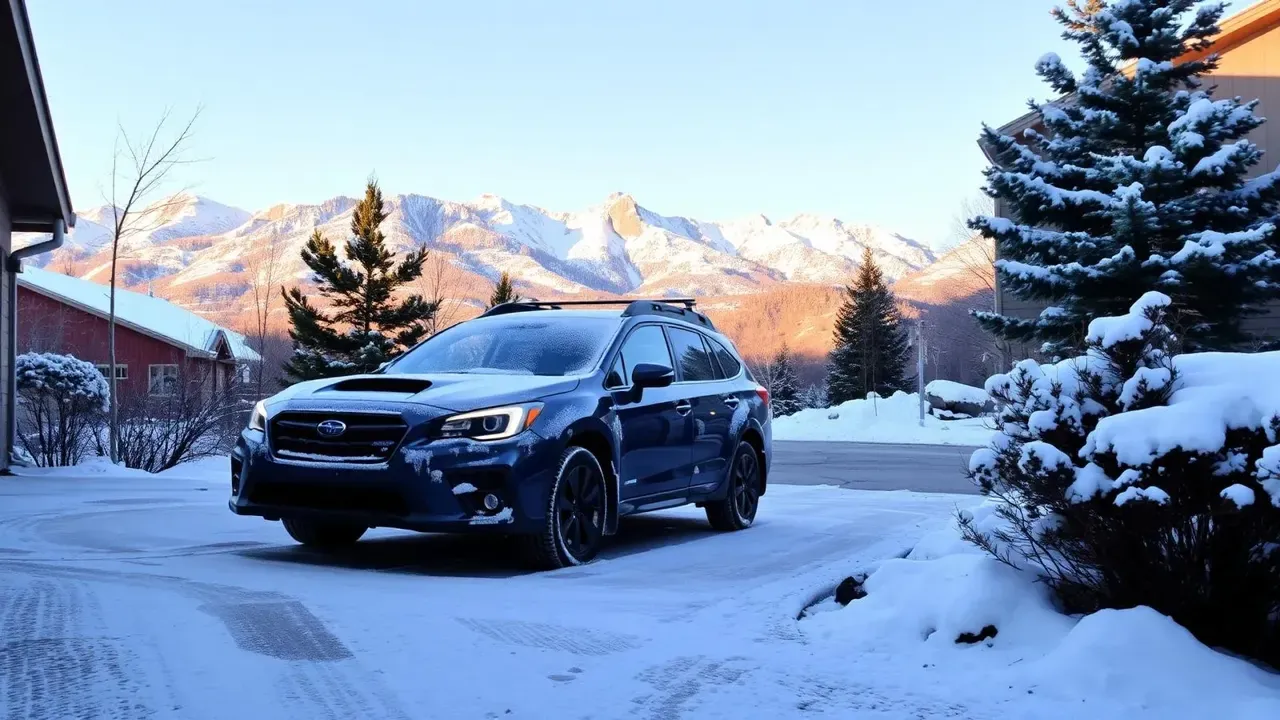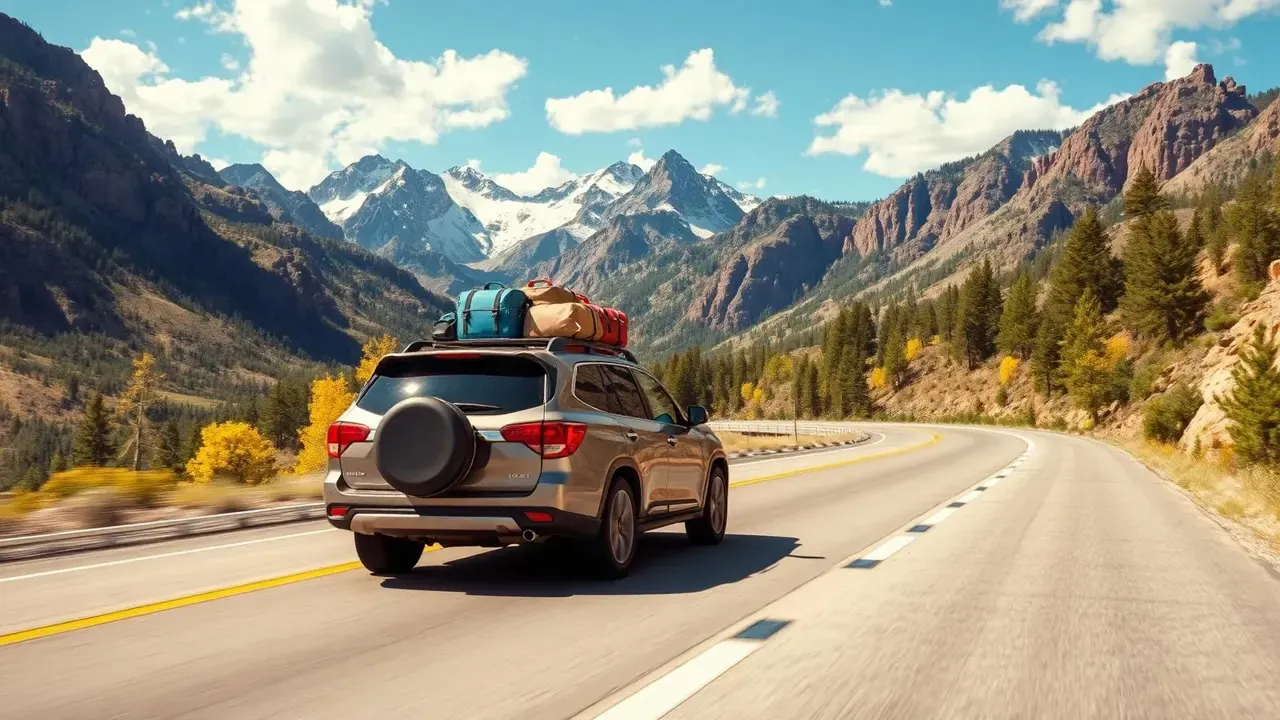
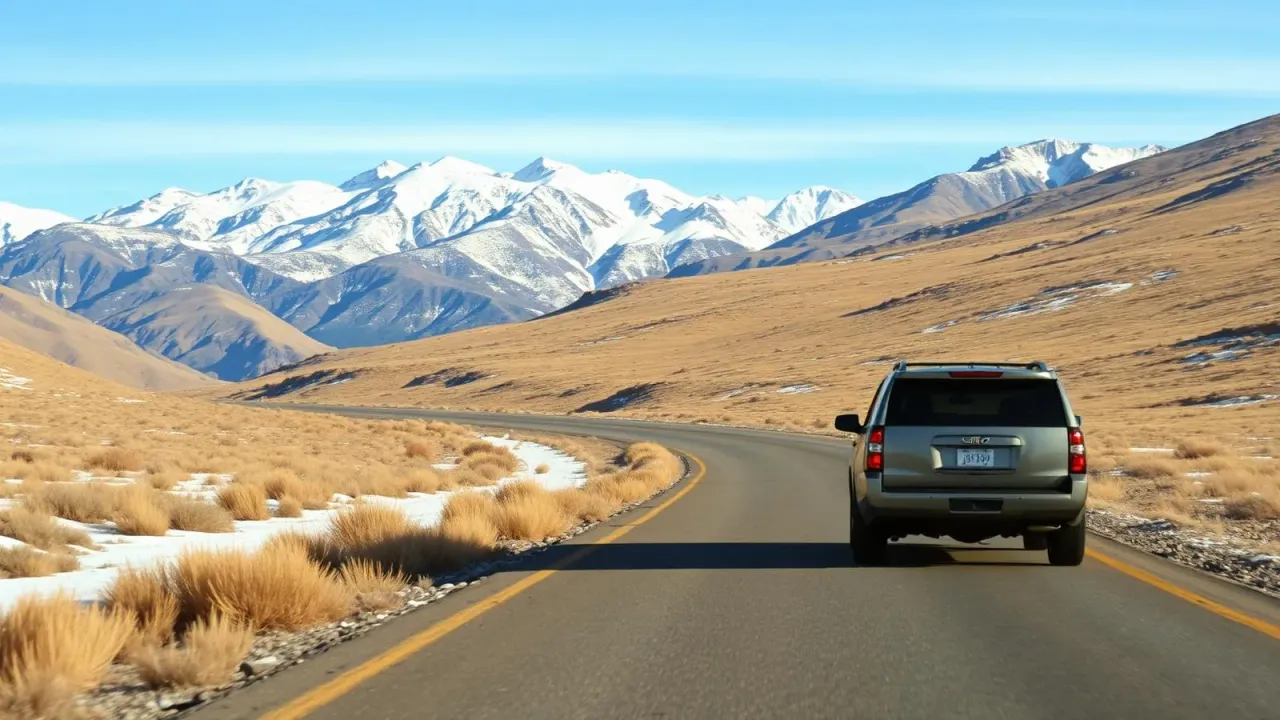
Some Colorado winters are deep. Some are dry. When the snow report reads brown three weeks in a row and Eldora is making white ribbons on dirt, the smart move is to pivot. A dry winter is a road-trip winter. Pavement is clear, traffic is light, and half the state's campsites and trailheads sit empty until April.
Where to point the hood when there is no snow
A few destinations that shine in shoulder season:
- Great Sand Dunes National Park. Empty parking, crisp air, and the dunes glow at low winter sun. Four hours from Boulder.
- Black Canyon of the Gunnison. South Rim is open, snow-free most dry years, and you will share the canyon with ravens and almost no humans.
- Colorado National Monument. Grand Junction sits at 4,500 feet. Often 20 degrees warmer than Boulder. The switchbacks of Rim Rock Drive are made for a winter day with no ice on them.
- The Wet Mountains and Westcliffe. Quiet, dark skies, and a charming downtown. Easy day trips to Bishop Castle.
Vehicle prep for the shoulder-season road trip
A dry winter trip is easier on a car than a snowy one. It is not effortless. The same things that bite you in summer (heat, altitude) and the things that bite you in winter (cold starts, battery loads) are both in play.
Brakes for mountain descents
The biggest hidden stress on a Colorado road trip is descent braking. Coming down from Independence Pass or Monarch Pass, your brakes do more work in 20 minutes than they do in a month of Boulder commuting. Soft pedal, vibration, or a burning smell on the descent means you are overheating pads. Use lower gears to engine brake. Get the brakes inspected before you leave if you are due.
A/C, even in winter
A working A/C system is your defroster. The compressor runs whenever you switch on defrost to pull moisture out of the cabin air. If A/C performance is weak in summer, it is weak in winter too, which means foggy windshields when you need them clearest.
Coolant, hoses, and the cold-soak start
Trips that involve a cold overnight at 8,000 feet ask more of your cooling system than any Boulder day. Old coolant loses its freeze protection. Cracked hoses are fine until they are not, and a hose failure 90 miles from the nearest tow truck is the start of a long day. Pop the hood and look for swelling, dampness, or chalky residue near hose connections. If you do not know when the coolant was last serviced, assume it is due.
Tires
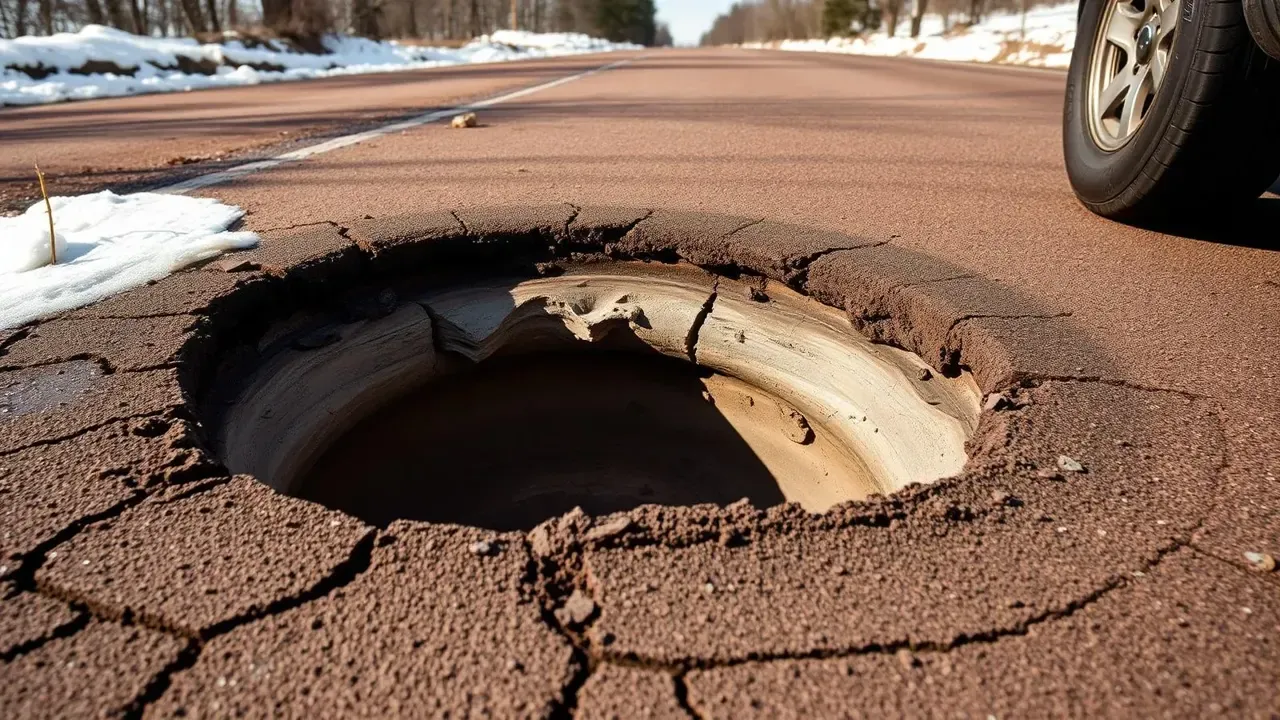
Dry pavement does not mean traction is free. Cold rubber grips worse than warm rubber, and worn tread that worked all summer can be marginal at 20 degrees. Check pressures the morning of departure (cold tires read low) and look at the tread depth. The penny test is fine for a quick read, the tread wear bars are more honest.
What to throw in the trunk
Even in shoulder season, Colorado weather can flip in an hour. A basic kit:
- Jumper cables or a lithium jump pack
- Tire inflator that plugs into the 12V outlet
- Tow strap and a small folding shovel
- Warm layer, gloves, hat for every passenger
- Two liters of water, snacks, headlamp
- Paper map of the region (cell coverage dies fast off I-70)
The shop check before you leave
A pre-trip inspection at Legacy is free and takes about 30 minutes. We check brakes, tires, fluids, belts, hoses, lights, battery, and pull any pending codes from the car's computer. If something needs attention before you head over Vail Pass, we would rather find it in the bay than have you find it on a shoulder. Drop in or book online.
Legacy Automotive Team
Boulder's NAPA Gold Certified shop since 2013. Real techs, honest writing, no AI fluff.