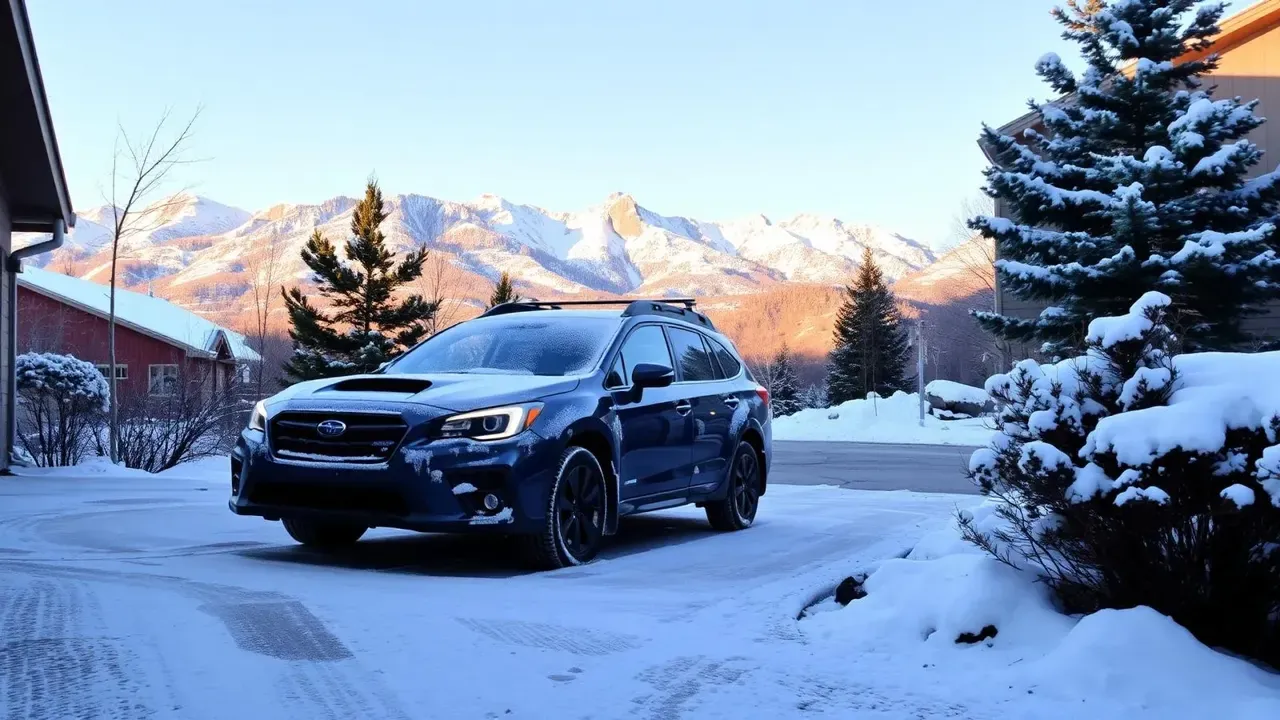
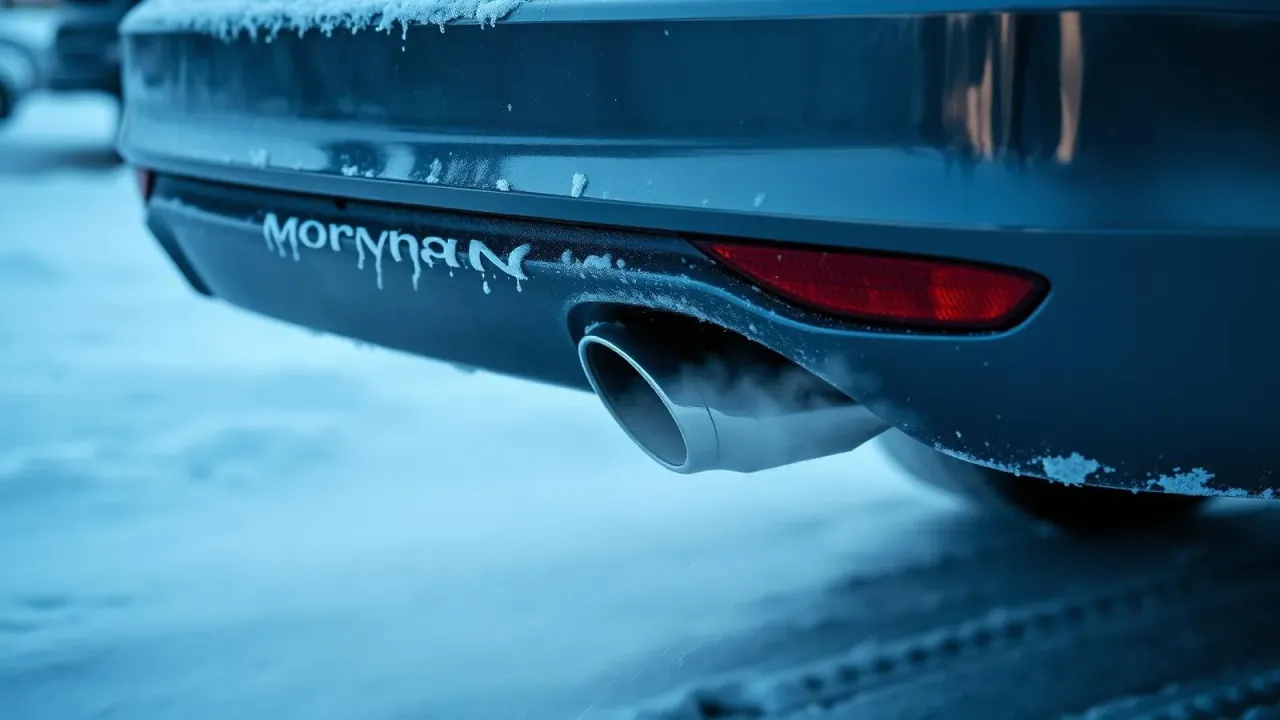
You walk out to the car on a 12-degree morning. Turn the key. The thing sounds like it is rebuilding itself from scratch. A loud whine, a groaning belt, valves ticking like a sewing machine. Then 90 seconds later it is whisper quiet again. Did you damage something? Probably not. But probably is not always.
Why cold engines are loud engines
Three things conspire to make a cold start sound rougher than it really is:
- Cold oil is thick oil. Even modern synthetic 0W-20 is more viscous at 10 degrees than at 100. The first few seconds after start, oil is still climbing through the engine. The valve train, which is normally bathed in oil, is briefly running on residue. That is the ticking you hear.
- Cold metal is louder metal. Aluminum and steel contract in the cold. Tolerances inside the engine open up slightly, and surfaces that normally sit tight against each other rattle a little until they warm.
- Belts and idlers are stiff. Rubber loses its flexibility when cold. Serpentine belts can chirp or squeal for the first few revolutions until they warm and seat back into their pulleys.
Sounds that are normal in winter
- Light valve ticking for the first 30 to 60 seconds
- Higher idle for 1 to 3 minutes (the computer is warming the catalytic converter)
- Brief belt squeak that goes away after a few seconds
- Power steering whine for the first turn or two on a hydraulic system
- "Thunk" from suspension as bushings reach operating temperature on the first few bumps
Sounds that mean stop and call us
- Loud, persistent ticking that does not go away.Could be low oil pressure, a collapsed lifter, or a timing chain tensioner failing. Do not drive far.
- Grinding on start. Starter motor failure or a bad flywheel. The next time it may not start at all.
- Loud knocking from inside the engine. Bottom-end bearing damage. Stop driving immediately.
- Loud, sustained belt squeal that does not warm out.Belt is glazed, idler bearing is failing, or tensioner is weak. That belt also runs your alternator and water pump. Get it looked at this week.
- Hissing from under the hood. Vacuum leak, coolant leak hitting hot metal, or exhaust leak at the manifold. Not always urgent, always worth a check.
- Clunking from underneath when steering or braking.Suspension or driveline component working loose. Cold makes worn bushings worse, and worn parts in winter are dangerous.
The 30-second rule
Most normal winter noises are gone within 60 to 90 seconds. If a sound is still there after the temperature gauge starts climbing, it is not just cold. It is something. Pay attention to whether it changes with engine speed, with brake or steering input, or with load. Those clues help us find it faster when you bring it in.
One quick winter habit
Do not floor it cold. Letting the engine reach 1,500 to 2,000 RPM for the first minute is fine. Slamming the throttle when the oil is still climbing is the single fastest way to wear out a modern engine. Drive easy for the first few miles. The car will pay you back with another 50,000 trouble-free miles.
Legacy Automotive Team
Boulder's NAPA Gold Certified shop since 2013. Real techs, honest writing, no AI fluff.