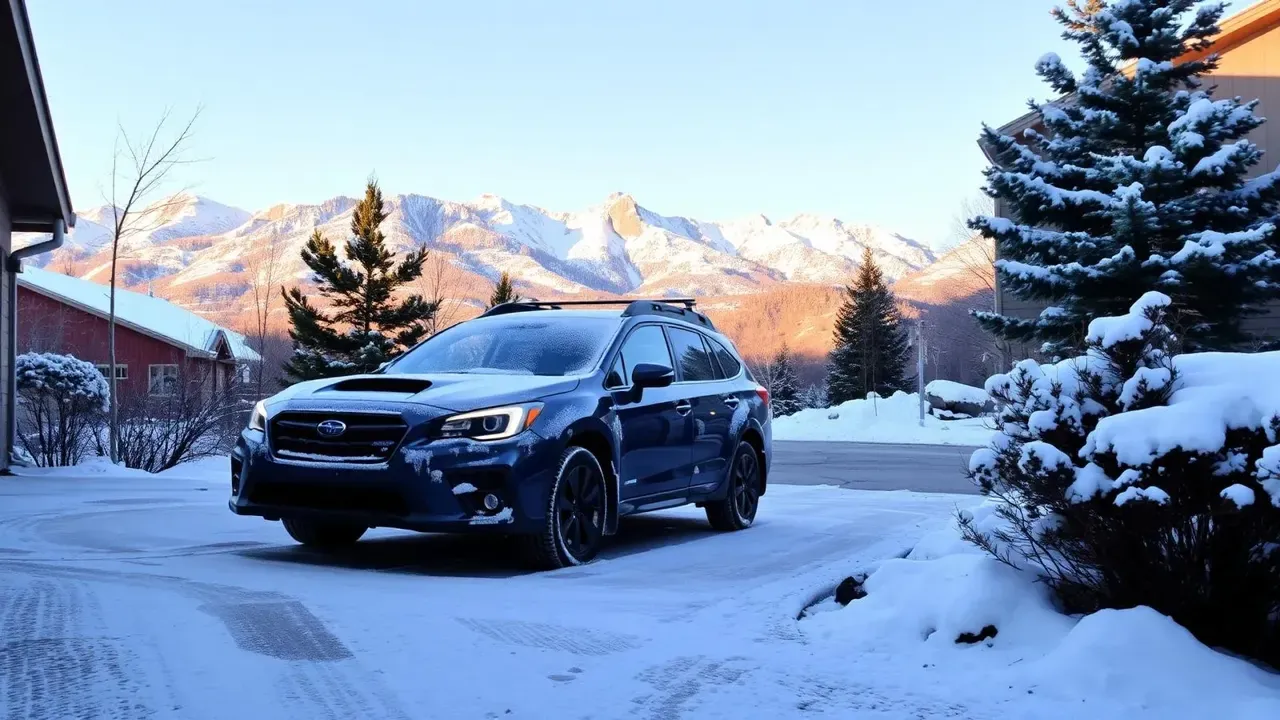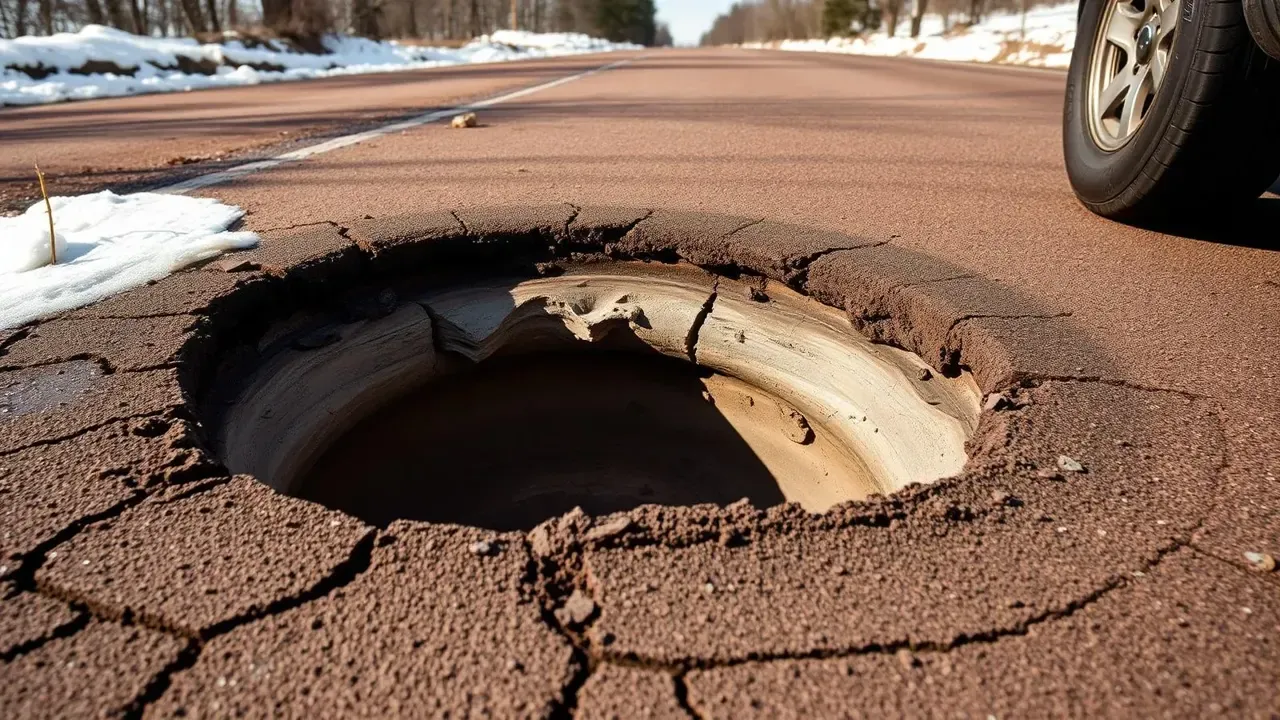
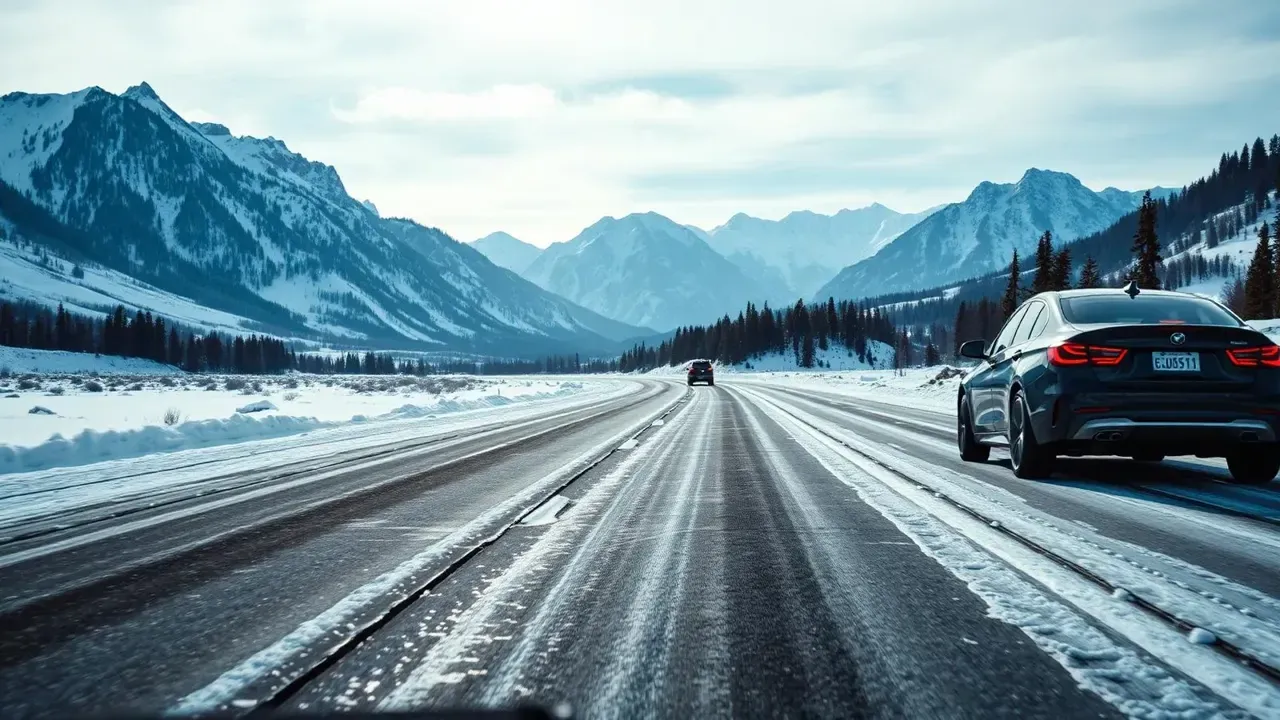
Boulder winters are weird. We will go from 60 degrees and dry to a foot of snow in 18 hours, then back to dry pavement two days later. That whiplash is murder on cars. The freeze-thaw cycles split road surfaces, the cold-soak nights drain batteries, and the salt and mag chloride eat at suspension parts that were never meant to live in a chemistry experiment.
That is why we offer a free winter inspection every November through March. No appointment needed for a quick look, no upsell, no obligation to fix anything with us. We tell you what we see and send you home with a written report.
What we check, in order
Our winter inspection runs through the parts of the car most likely to leave you stuck or unsafe in cold weather:
Battery and charging system
Cold cuts cranking power roughly in half. A battery that started the car fine in October may not at minus 5 in January. We test cranking amps under load, alternator output, and parasitic draw. Three years of age is the line where we start watching closely. Five years is the line where we recommend replacement before it strands you.
Tires
Tread depth, age, sidewall condition, and pressure. Tires lose roughly 1 PSI per 10 degrees of temperature drop, so a TPMS light on a cold morning is often a real low pressure, not a glitch. We also check for bald spots from worn shocks or bad alignment, which get more dangerous on snow and ice.
Brakes
Cold brakes are stiffer brakes. Pads that were marginal in October can be unsafe by January. We measure pad thickness with a real gauge, check rotor surface and runout, and test brake fluid for moisture content. Moist brake fluid boils at lower temperatures and can cause pedal fade on a long descent.
Suspension
Boulder potholes peak in February when freeze-thaw is at its worst. We check ball joints, tie rods, control arm bushings, and shock or strut condition. Loose suspension parts get worse fast in winter and can fail catastrophically.
Wipers, washer fluid, and visibility
A 2-dollar set of winter wiper blades and a gallon of de-icing washer fluid are the cheapest safety upgrades on a Colorado car. We check both, and we top off the washer reservoir for free while you wait.
Heat, defrost, and cabin air
Heater core, blend door, fan motor, and cabin filter. A working defroster is a safety system, not a comfort feature. If yours is slow or smells funny, the cabin filter is usually the first culprit.
What we find most often
In a typical winter, the most common issues we flag are:
- Marginal batteries (about 1 in 4 cars)
- Tires below 4/32 of tread (about 1 in 5)
- Brake fluid above 3 percent moisture (about 1 in 3)
- Worn wipers (over half)
- Cabin filters that have not been changed in two-plus years (about 1 in 2)
None of these are dramatic on their own. All of them are easy fixes. Together, they are the difference between a winter where everything works and a winter where you call AAA twice.
How to book
Drop in any weekday morning between 7:30 and 10 AM and we will fit the inspection in. Call (303) 442-3700 if you want a guaranteed slot. The whole thing takes about 30 minutes, you can wait in the lobby with coffee, and you walk out knowing exactly what your car needs and what it does not.
Legacy Automotive Team
Boulder's NAPA Gold Certified shop since 2013. Real techs, honest writing, no AI fluff.