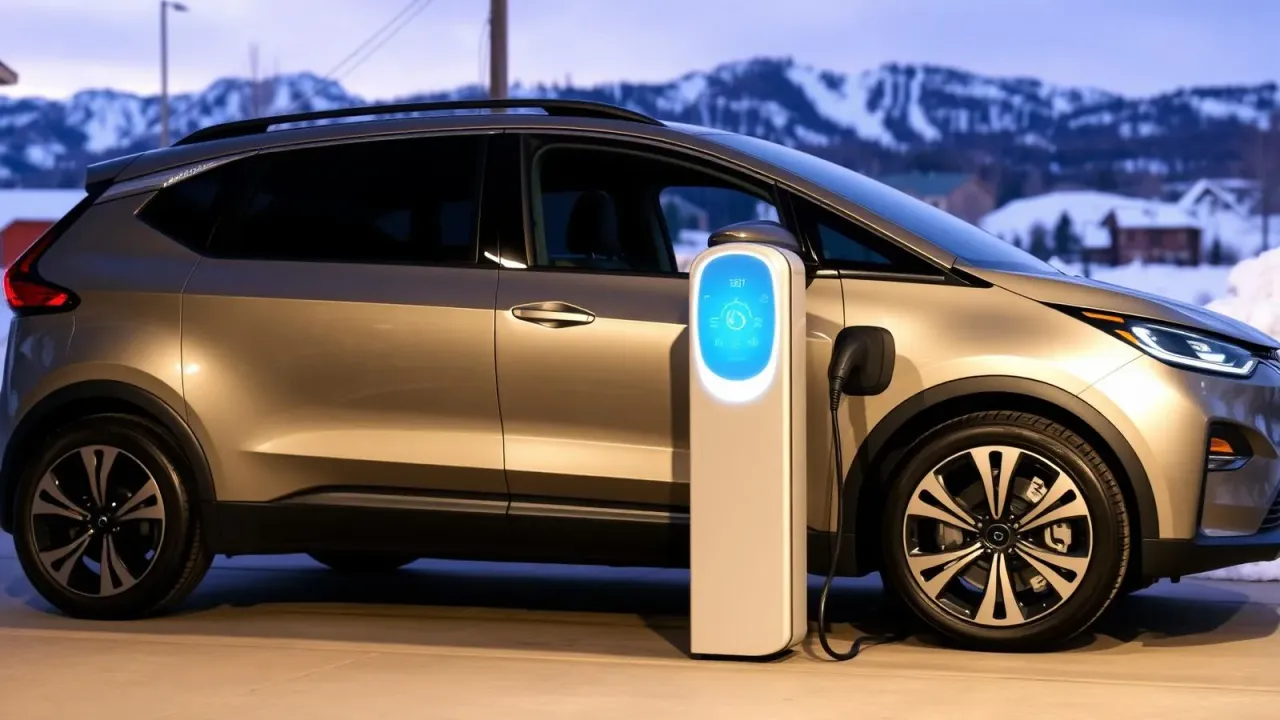
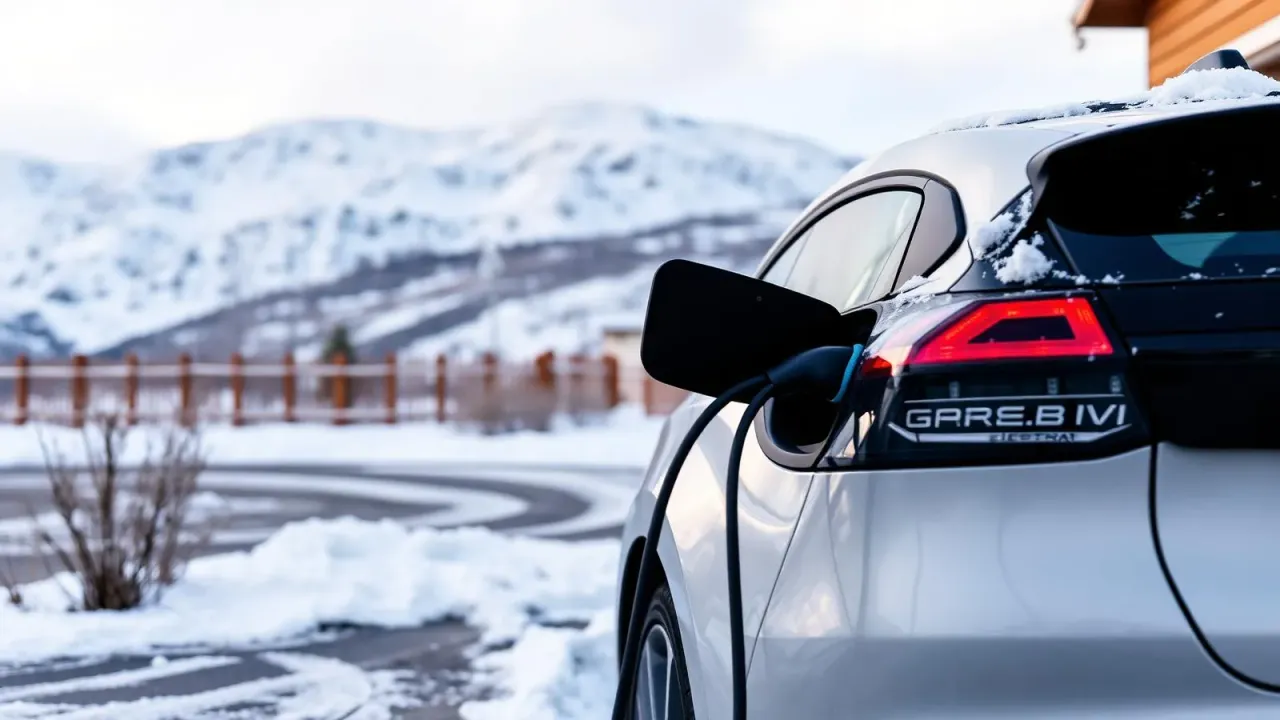
The first week of real cold every year, our phones light up with the same question. The Tesla, the Ioniq, the Mach-E, the Rivian. All of them. Range numbers that looked great in October feel like a bad joke in January. The car is not broken. The chemistry just changed.
Why range drops in cold weather
Two things happen at once when temperatures fall, and both are working against you. First, the lithium-ion cells inside your high-voltage pack do not move energy as freely when they are cold. The electrolyte gets more viscous, ions move slower, and usable capacity shrinks. The battery is not damaged. It just has less to give until it warms up.
Second, you are running a heater. In a gas car, the heater is mostly free because the engine is already burning fuel to make heat. In an EV, every BTU you push into the cabin comes out of the same pack that moves the wheels. Heat pumps help (Tesla, Hyundai, Kia, Ford) but in single-digit Boulder mornings even a heat pump leans on resistive heat to keep up.
What range loss should you actually expect
Real-world numbers from Front Range customers in 5 to 25 degree F weather:
- Highway range: 25 to 40 percent below EPA rating
- Stop-and-go around Boulder: 30 to 45 percent below rating
- Short trips with cold soaks between (school runs, errands): up to 50 percent
The short-trip number is the one that surprises people. The pack and the cabin never get fully warm, so every leg pays the warmup tax again.
Precondition. Always precondition.
The single biggest lever you have is preconditioning while still plugged in. Warm the cabin and the battery on grid power before you leave. You burn the utility's electrons instead of yours, and you drive away with the pack already in the temperature window where it delivers full power and accepts full regen.
Most EVs let you schedule departure times. Set it the night before. The car will time the warmup so the cabin is comfortable and the pack is conditioned at the moment you walk out the door.
Garage parking matters more than you think
An unheated Boulder garage is still 20 to 30 degrees warmer than the driveway in the dead of winter. That alone can claw back 10 percent of range. If the garage has a 120V outlet you can leave plugged in, even better. The car will sip enough power to keep the pack in its happy zone overnight.
Charging strategy when it is cold
DC fast charging in winter is slower. Sometimes a lot slower. The pack has to be warm to accept high charge rates safely, so the car will throttle the charger until it heats up. If you are road tripping to the slopes, navigate to the Supercharger or fast charger in your car's nav system. Most modern EVs precondition the pack on the way to the stall, which can cut a 45-minute session down to 25.
Tire pressure and the things that compound
For every 10 degree drop in ambient temperature, tires lose roughly 1 PSI. Underinflated tires roll harder, which costs range at exactly the moment you have less of it. Check pressures monthly through winter, ideally first thing in the morning before driving.
Other small wins that add up: drop the cabin temp two degrees and use heated seats and steering wheel instead (resistive heat goes directly into you, not into 90 cubic feet of air), keep highway speeds reasonable (drag rises with the square of speed), and stop using the defroster after the windows are clear.
The Goldilocks zone
Lithium-ion packs are happiest between roughly 60 and 90 degrees F. The whole point of preconditioning, garage parking, and plug-in thermal management is keeping the pack in that window as much of the day as possible. When you do, range loss looks more like 15 to 20 percent. When you do not, it looks like 40 to 50.
When to bring it in
Cold weather is hard on the parts EVs share with every other car. Suspension bushings get brittle. Brake calipers can stick if they sit unused (regen does most of the slowing). The 12V battery is working harder than ever and is one of the most common winter no-starts we see on EVs. If something feels different, do not assume it is normal cold-weather quirk. Schedule a check.
Legacy Automotive Team
Boulder's NAPA Gold Certified shop since 2013. Real techs, honest writing, no AI fluff.