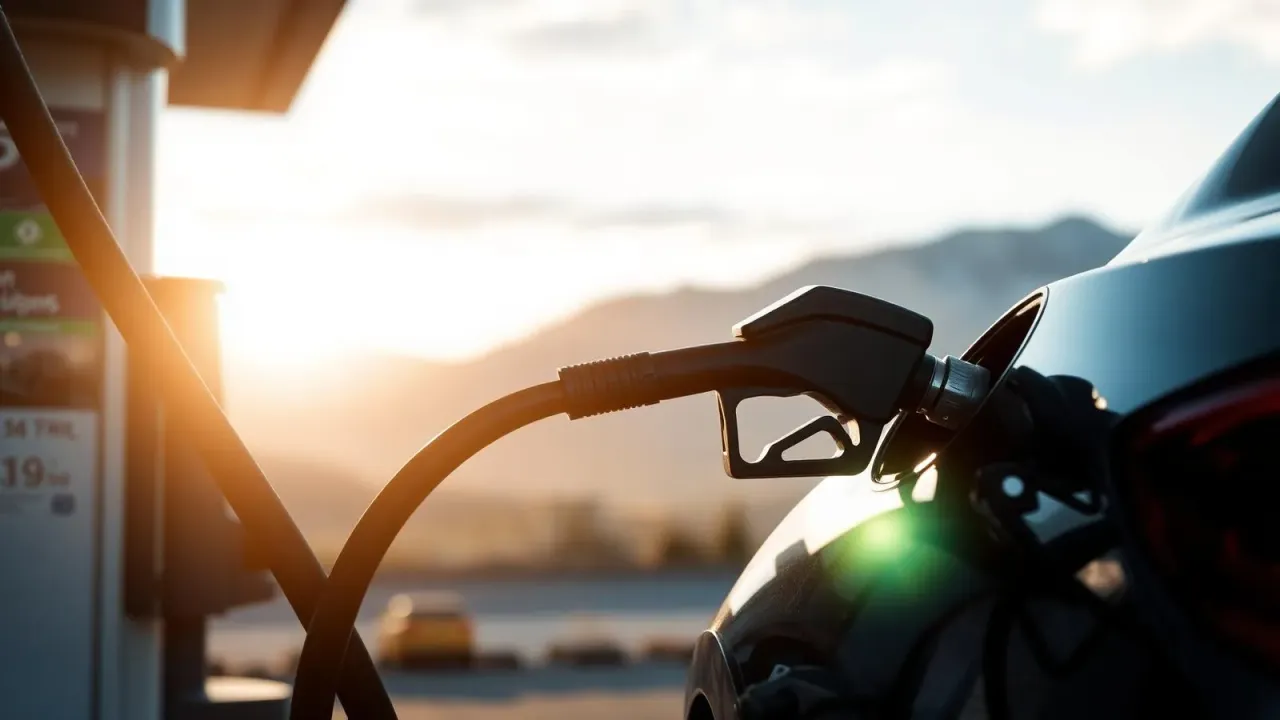
A car that runs perfectly on Tuesday and stalls every time you slow down on Wednesday. The only thing that changed is that you filled up at a station you do not normally use. Sometimes that is a coincidence. Sometimes it is bad gas, and bad gas can wreck a modern fuel system fast.
What "bad gas" actually means
A few different problems all get filed under the same name:
- Water contamination. Underground tanks at stations can collect water from condensation or seal leaks. Water in the fuel kills combustion and can ice up fuel lines in winter.
- Wrong octane. Pumps occasionally get crossed up during delivery. Premium tank gets filled with regular, or vice versa. Cars that need premium will knock and lose power on regular.
- Ethanol separation. When fuel sits too long, the ethanol can separate from the gasoline and pool at the bottom of the tank, where the fuel pump pickup is.
- Sediment. Old, rarely-used station tanks can kick sediment into your fuel filter and pump.
- Out-of-spec fuel. Rare but real. Refinery problems, transport contamination, or expired fuel.
Symptoms after a bad fill-up
- Hard starting or no start within a few hours of filling
- Rough idle
- Stumbling or hesitation under throttle
- Stalling at low speed
- Sudden 20 to 30 percent fuel economy drop
- Check engine light with misfire codes
Where Boulder gas quality varies most
Without naming names, the pattern we see is straightforward. Stations that sell a lot of fuel turn their tanks over fast and have less time for water or sediment to build up. Stations that sell little fuel, or that have gone through ownership changes, are where we see most of the bad-gas calls.
Top-tier-rated brands also help. They are required to use a detergent additive package that keeps fuel injectors cleaner. Not every station carries it.
What to do if you suspect a bad fill
- Save the receipt. Most stations will refund or cover damage if you can prove which fill caused the problem.
- Do not keep driving. Running on contaminated fuel can damage the fuel pump and injectors. The repair gets much more expensive the longer you drive on it.
- Bring it in. We can pull a fuel sample, test it, and tell you whether it is the gas or something else.
The ethanol piece, specific to Colorado
Most pump gas in Colorado is E10 (10 percent ethanol). Ethanol attracts water, which is fine when you use the fuel within a few weeks but becomes a problem in cars that sit. Classic cars, seasonal vehicles, motorcycles, and lawn equipment are all worth adding stabilizer to if they sit longer than a month.
For everyday drivers, the practical advice is simple: stick with a few high-volume top-tier stations you trust, top off rather than running near empty (less air space means less condensation), and pay attention to the symptoms above. If something feels wrong after a fill-up, it usually is.
Legacy Automotive Team
Boulder's NAPA Gold Certified shop since 2013. Real techs, honest writing, no AI fluff.