Anyone who has lived in Boulder for more than one winter knows the sound. The downslope wind builds late at night, the windows start to hum, and by morning you are watching trash cans cartwheel down the alley. Then you walk out to the car and discover that the wind has spent the night reading body shop estimates.
Big Front Range wind events regularly hit 60 to 90 mph at the surface, and they hit hardest in the worst possible spot for cars: parking lots and driveways where every door is a sail.
What the wind actually does
Doors blown out of their hinges
The most common wind damage we see is door-hinge stress. You crack the door open, a 70 mph gust catches the inside surface, and the door snaps fully open against the check strap. The hinges bend. The door no longer closes flush. Often the front fender takes a hit too where the door corner contacts it.
Paint sandblasting
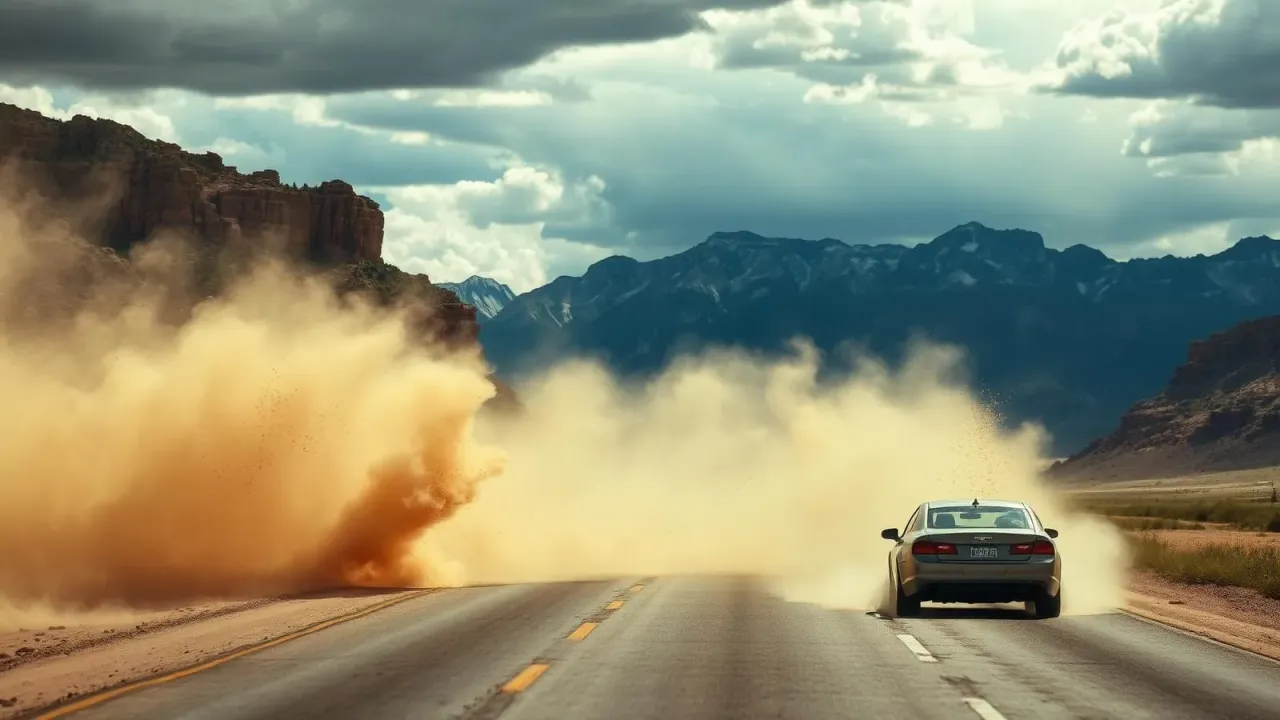
Sustained 50 mph winds carry sand and grit at sandblaster speeds. The leading edge of the hood, the front of the mirrors, and the rocker panels get the worst of it. After a major event you can sometimes see fresh dulling on otherwise glossy paint.
Trim, mirrors, and wipers
Loose plastic trim that was barely hanging on goes flying. Side mirrors with worn pivots get folded backward and stay there. Windshield wipers sitting up off the glass can get whipped against the windshield and snap.
Alignment after a blow-around
Vehicles with high crosswind exposure (vans, lifted trucks, roof racks loaded with gear) can take a literal sideways shove that stresses suspension components. If the steering wheel is not centered after a windy drive, or the car pulls to one side it did not pull to before, get an alignment check.
How to handle a high-wind drive
- Slow down. Crosswind force grows with the square of vehicle speed. 75 mph in a sail-sided van on US-36 in a 60 mph crosswind is genuinely dangerous.
- Both hands on the wheel. Always, but especially in gusts. A sudden lull after a steady wind can pull you across a lane in half a second.
- Watch for blowing debris. Tumbleweeds, plywood sheets from construction sites, full-size trash cans. All have cracked windshields on the Diagonal in the last few years.
- Pass big trucks decisively. They block the wind, then unblock it suddenly when you clear them. Most lane-departure moments come from that snap.
- Mind the fuel economy hit. A 30 mph headwind can cut MPG by 25 percent. Plan stops accordingly.
What to do at the parking lot
The single best habit on a windy day is the death grip. Brace the door with your forearm or hip as you crack it open. Do not let it get past about 6 inches before you have full control of it. If the gust catches you anyway, do not fight a 70 mph wind with one shoulder. Let it slam if you have to. The door will probably survive. You probably will.
Park nose-into the wind when possible. Cars are aerodynamic from the front by design. Side-on or tail-to-the-wind parking is when the doors go flying.
After a major wind event
Do a quick walk-around. Look for fresh dings, scrapes along the lower body, mirror housings out of position, and trim that has shifted. Check the windshield carefully under angled light, since sand-blasted starbursts are easy to miss head-on.
For body and paint damage, we will refer you to one of two local collision shops we trust. Body work is not what we do, and we will not pretend otherwise. For mechanical issues like alignment, suspension noise after the event, or a steering pull, that is our bay. Drive in for a free check.
Legacy Automotive Team
Boulder's NAPA Gold Certified shop since 2013. Real techs, honest writing, no AI fluff.