Tires are the only thing connecting your car to the road. Four patches of rubber, each about the size of your hand. Everything the engine, brakes, suspension, and steering wheel ask of the car ultimately gets transmitted through them. They deserve more attention than they get. This is the field guide we wish every driver had.
Reading the sidewall
Look at the sidewall of your tire and you will see something like P225/65R17 102H. It looks like noise. It is actually a very specific spec sheet:
- P — Tire type. P is passenger. LT is light truck. There is no letter on most metric sizes.
- 225 — Section width in millimeters (sidewall to sidewall).
- 65 — Aspect ratio. Sidewall height is 65 percent of the section width.
- R — Construction. R is radial (everything modern).
- 17 — Wheel diameter in inches.
- 102 — Load index. 102 means each tire can carry 1,874 pounds.
- H — Speed rating. H is good to 130 mph. Most passenger tires are S, T, H, V, W, or Y.
Treadwear, traction, and temperature ratings
Three more numbers, called UTQG ratings, are stamped on the sidewall and tell you a lot about the tire's character:
- Treadwear (e.g., 500): Higher number means longer expected life. A 700 tire should last roughly twice as long as a 350 tire under similar conditions. Performance and winter tires usually wear faster (lower number). Touring tires wear longer.
- Traction (AA, A, B, C): Wet braking. AA is the best.
- Temperature (A, B, C): Heat resistance at sustained high speed. A is the best.
The DOT date code
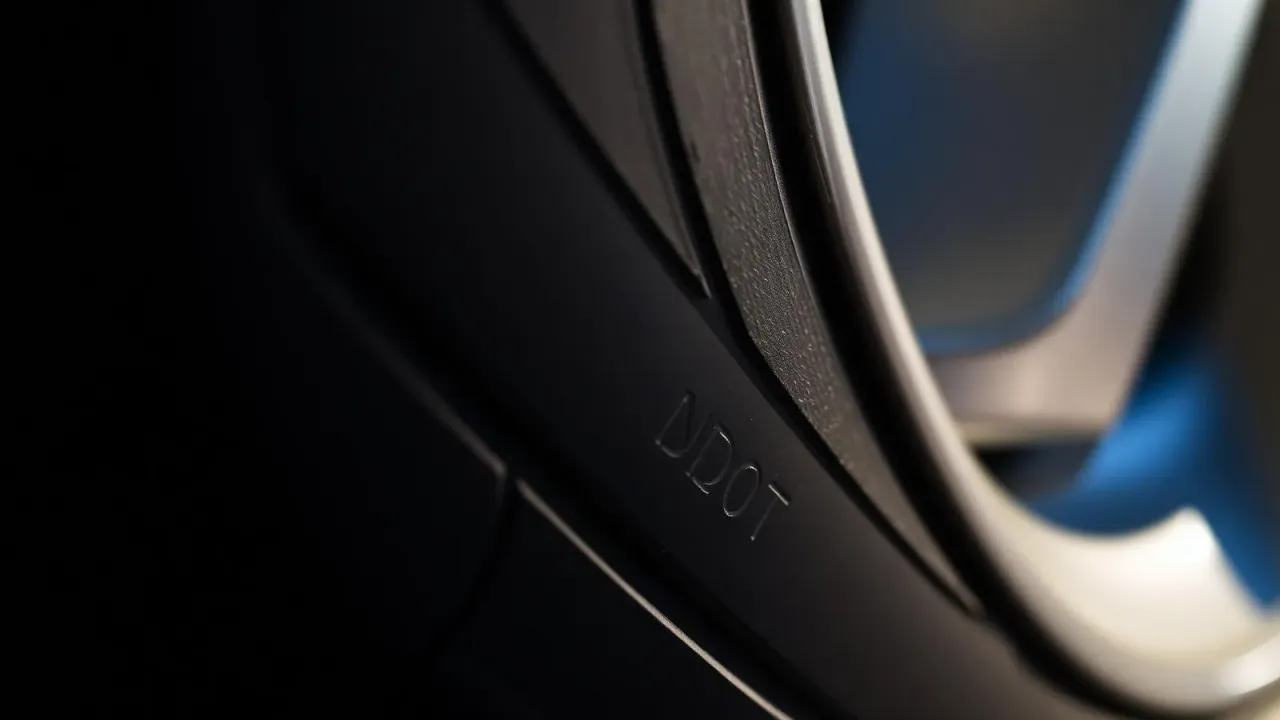
This is the one most people miss. Find the four-digit number at the end of the DOT code on the sidewall. 2823means week 28 of 2023. Tires older than six years are suspect even with good tread. The rubber compound dries out, and dry rubber cracks under stress.
We have pulled "low-mileage" tires off cars where the date code was 12 years old. The sidewalls were checkered with cracks and one good pothole could have blown them out.
How to read wear patterns
Uneven wear is the tire telling you something else is wrong:
- Center wear: Overinflation. Drop pressure to spec.
- Edge wear on both shoulders: Underinflation. Add pressure to spec.
- Wear on one shoulder only: Alignment off (camber or toe). Get it on the rack.
- Cupping or scalloping: Worn shocks or struts. The tire bounces and chops itself up.
- Feathered edges (sharp on one side of the tread blocks):Toe alignment is off. Common after a curb hit.
When to replace
The penny test (Lincoln's head, upside down, in the tread groove) is a quick check. If you can see the top of his head, you are at 2/32 inch and legally bald. The truth is that wet and snow performance starts dropping fast at 4/32. We recommend replacement at 4/32 for winter drivers, 3/32 for fair-weather only.
Other replacement triggers:
- Sidewall bulge (separation, not repairable)
- Cuts deeper than the tread (unsafe)
- Repeated punctures in the sidewall area
- Vibration that does not balance out (often internal belt failure)
- Six-plus years old, regardless of tread
Choosing tires for your driving
Three categories cover almost everyone in Boulder:
- All-season touring: Daily driver, occasional snow, want long life. Mileage warranties of 60K to 80K are common. Fine for most Boulder drivers.
- All-weather (3PMSF rated): The middle ground. Real winter capability without the swap. The right call for anyone who skis a lot or has a steep driveway.
- Dedicated winter tires: Best snow and ice traction, period. Worth it if you drive to the slopes weekly or live in the foothills above 7,000 feet.
The cheapest tire is almost never the best deal. The right tire for how you actually drive is.
Pressure, rotation, and the easy maintenance
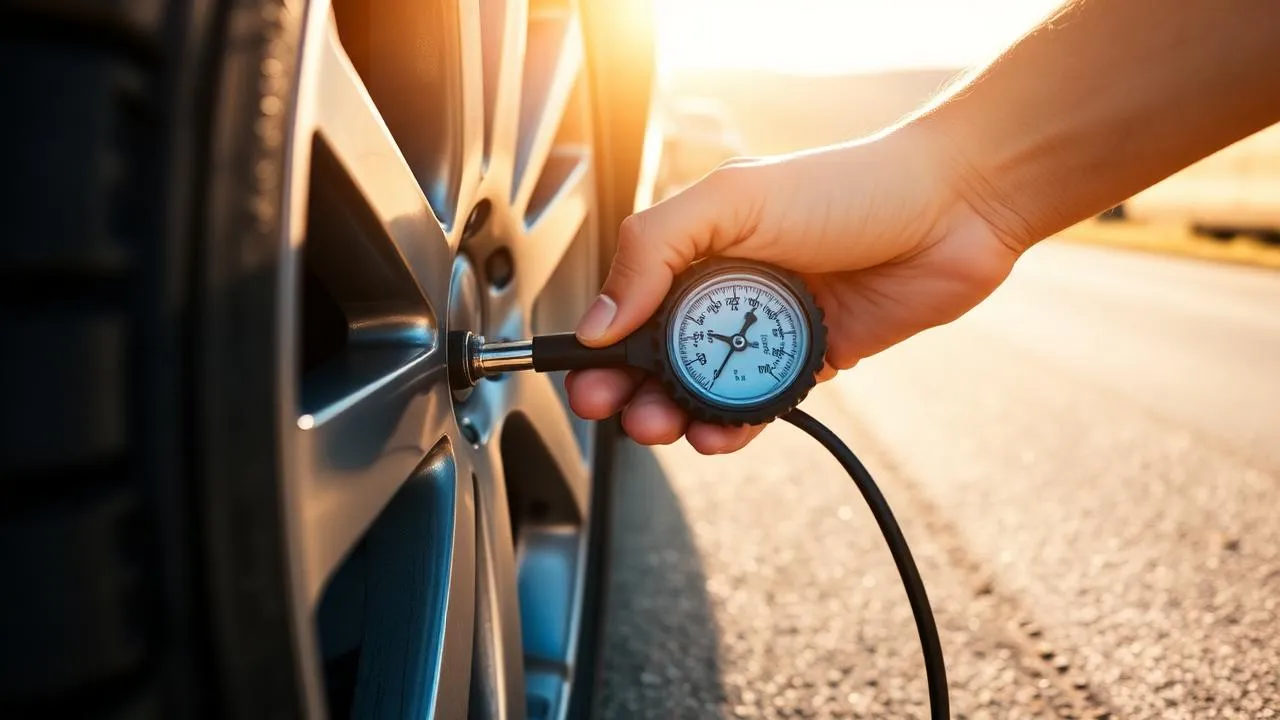
Check pressure monthly, cold, with a real gauge (not the one at the gas station). Set to the door-jamb sticker, not the number on the sidewall. Rotate every 5,000 to 7,500 miles in a pattern appropriate to your drive type. Keep an alignment honest after hard impacts. That is the whole maintenance program.
Take care of the tires and the tires will take care of everything else. Drop in any time to talk options. We will not push the most expensive choice. We will help you pick the right one.
Legacy Automotive Team
Boulder's NAPA Gold Certified shop since 2013. Real techs, honest writing, no AI fluff.