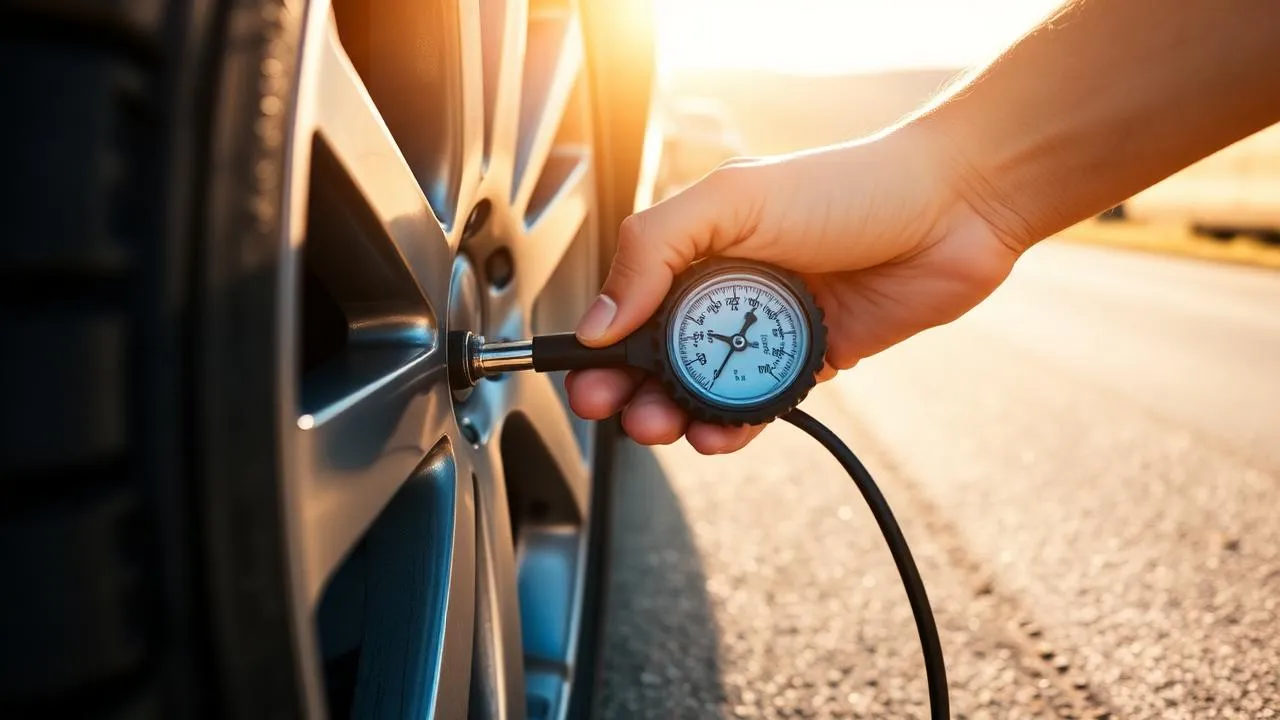
Summer is the season your tires earn their keep. Hot pavement, long highway miles, fully loaded road trips, and the wide temperature swing between a cool Boulder morning and a baking afternoon all push tires harder than people realize. A little attention now keeps a summer drive from ending on the shoulder with a blowout.
Heat, pressure, and why both matter
Air pressure rises with temperature. A tire set correctly on a 55-degree morning reads higher by afternoon once the pavement and friction heat it up, and that is normal. The real trouble is starting out underinflated. A low tire flexes more, builds extra heat as it rolls, and heat is what causes tires to come apart at highway speed. Most summer blowouts trace back to a tire that was low long before it failed.
Set your pressure the right way
- Check when cold. Measure first thing in the morning before you drive, when the tires are at ambient temperature.
- Use the door jamb number, not the sidewall. The figure on the sticker inside the driver door is the correct pressure for your car. The sidewall number is a maximum, not a target.
- Do not bleed air out of hot tires. The higher reading after driving is expected. Let them cool and check again.
- Account for a loaded trip. Some vehicles call for higher pressure when fully loaded with people and gear. The door jamb usually lists that figure too.
Read your tread before the trip
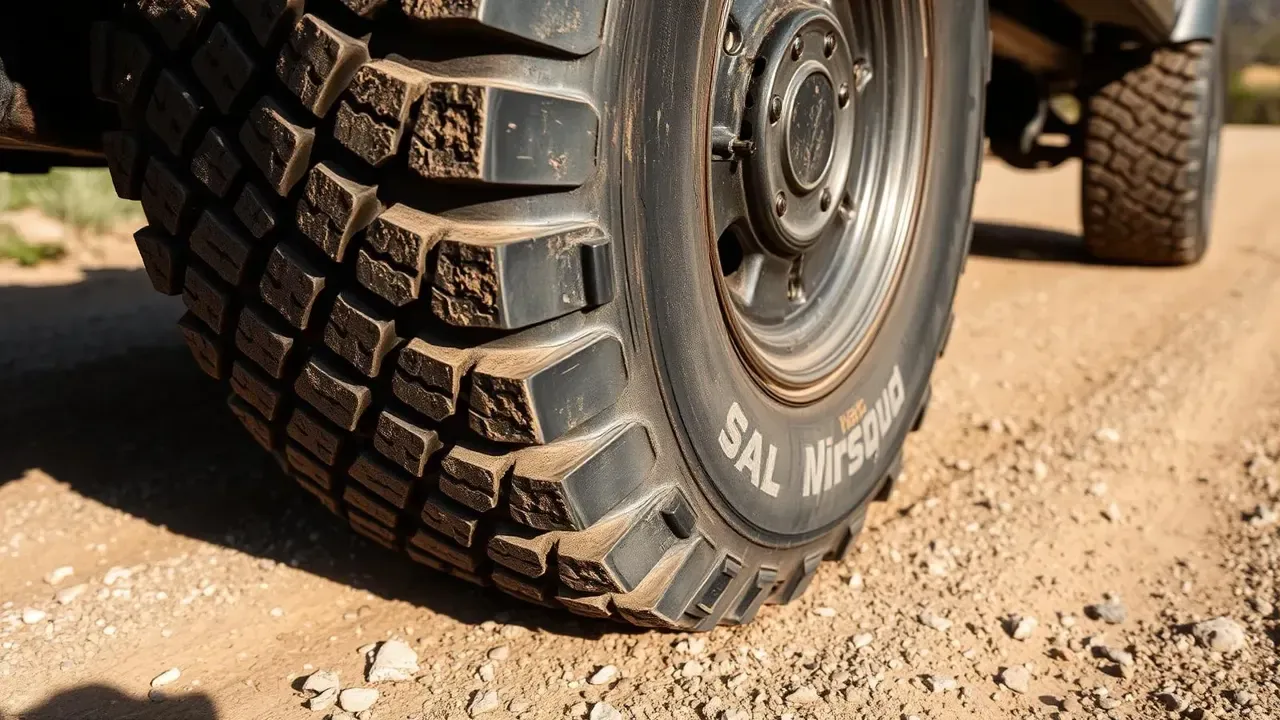
Tread does more than grip. It channels water away in a summer thunderstorm, and a Front Range afternoon can go from dry to flooded fast. The quick check is the penny test: insert a penny into a groove with Lincoln's head down. If you can see the top of his head, the tread is too low and it is time for new tires. While you are down there, look for uneven wear. Wear on one edge points to alignment or pressure problems, and cupping points to worn suspension.
The Colorado tax on tires
Tires live a harder life here. Intense UV at altitude ages the rubber faster, gravel roads and curb hits take their toll, and big day-to-night temperature swings cycle the pressure constantly. A set that might cruise along fine at sea level needs closer attention on the Front Range. Check them before every long trip, keep them rotated, and they will return the favor with grip when you need it most.
Five minutes with a gauge and a penny is the cheapest safety upgrade you can give your summer. Make it a habit before every big drive.
Legacy Automotive Team
Boulder's NAPA Gold Certified shop since 2013. Real techs, honest writing, no AI fluff.