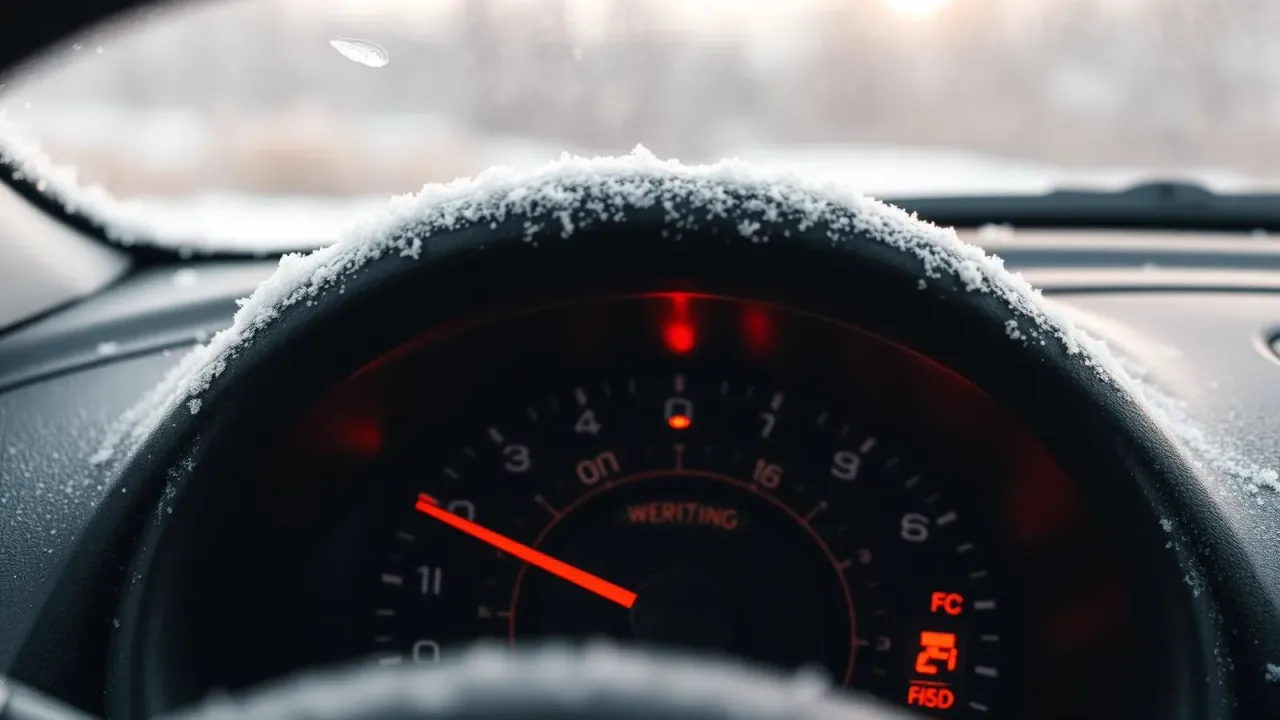
First cold morning of the season. You start the car. The little horseshoe-shaped tire pressure light glares at you from the dash. Nothing looks flat. Did you actually lose pressure overnight, or is the car just confused?
The physics, in plain English
Air pressure changes with temperature. For every 10-degree drop in ambient temperature, your tire pressure drops roughly 1 PSI. That means a 60-degree swing from a warm October afternoon to a 0-degree January morning can drop your tire pressure by 6 PSI. Your tire pressure monitoring system sees that drop and turns on the light.
The tire is not actually losing air. The same number of air molecules are in there, they are just packed less aggressively against the inside of the tire because the cold slowed them down.
When the cold light is normal
A TPMS light that comes on the morning of the first hard freeze and goes off after you drive for 15 minutes (warming the tires) is doing exactly what it should. The light is calibrated to a summer pressure. Cold drops you below the threshold. Add air, and you are fine.
When the cold light means something else
- Light comes on warm, not just cold. Real leak. Find the nail, valve stem, or wheel-seal issue.
- Light comes on after driving and gets brighter.Probably a sensor issue or a tire heating unevenly because of worn parts.
- One tire is consistently lower than the others.Slow leak. Easy to find with a soapy water spray bottle on the valve stem and the tread.
- Light flashes for 60 to 90 seconds, then stays solid.Sensor failure, dead sensor battery, or a wheel that needs the sensor relearned. Not a tire problem.
What to do when the light comes on
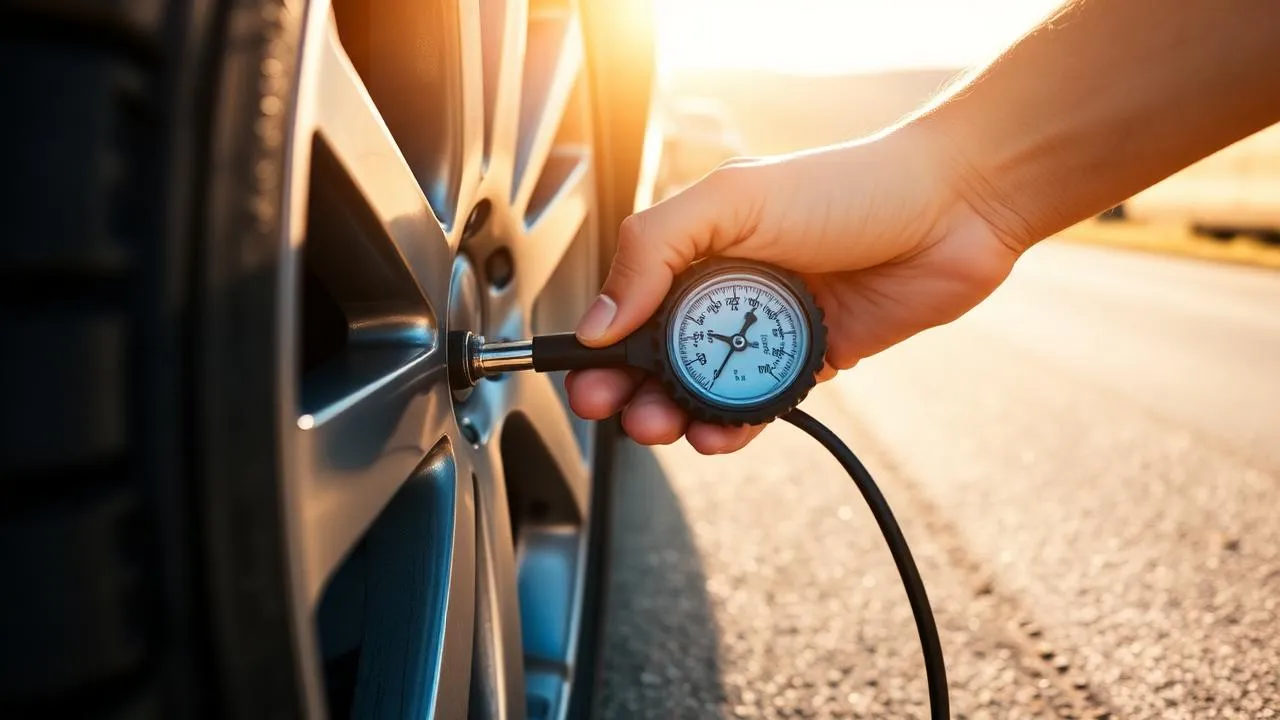
Get a real gauge. The gas station ones are notoriously inaccurate. Check all four tires (and the spare if you can get to it). Set pressures to the door-jamb sticker, not the number on the sidewall (the sidewall is the maximum, not the recommended).
If pressures are at spec and the light is still on, drive a few minutes to give the system time to register. If it still does not go off, bring it in. Most TPMS sensors last seven to ten years on their internal batteries and then they die quietly.
The Boulder cold-snap pattern
Every November and again every January, our phones light up with TPMS light calls. It is the same problem every time. Cold snap, pressure drops, light comes on. Five minutes at the air pump and you are good. We will do it for you for free if you stop in.
Legacy Automotive Team
Boulder's NAPA Gold Certified shop since 2013. Real techs, honest writing, no AI fluff.