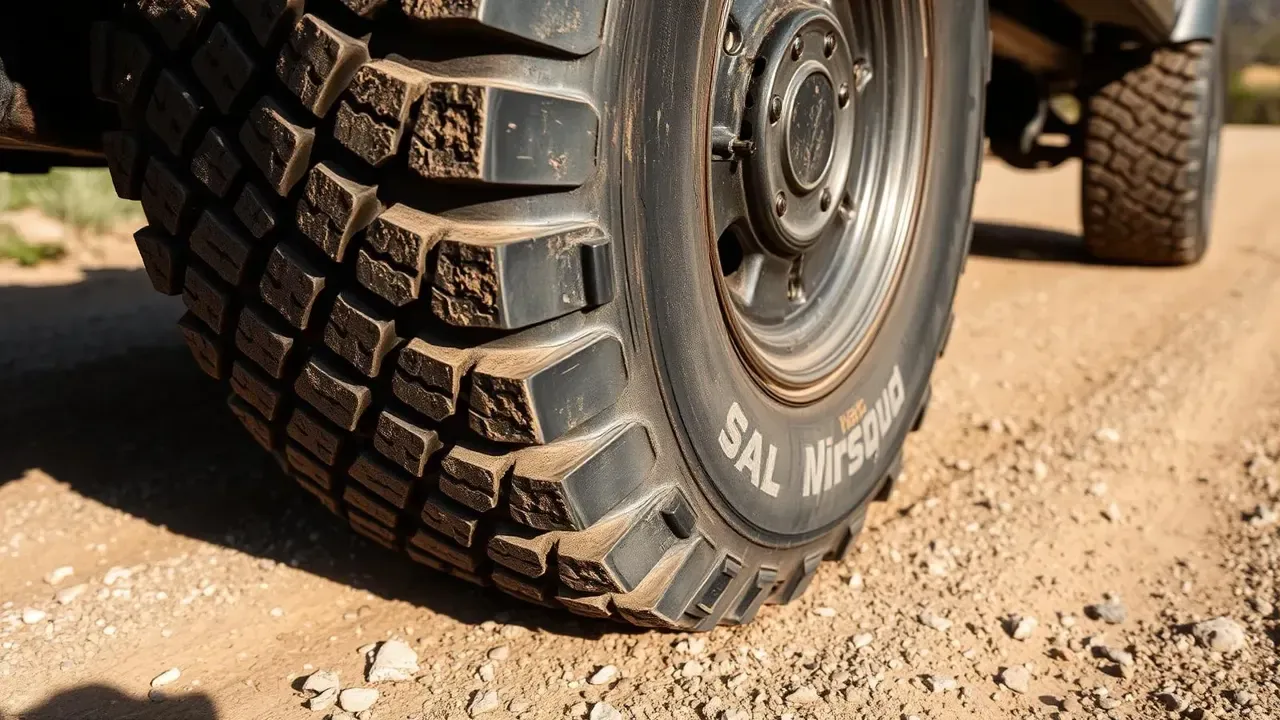
A set of tires that lasts 60,000 miles in San Diego often makes 40,000 in Boulder. Same tire, same brand, same driver. The difference is the environment. UV at altitude, temperature swings, gravel from winter sanding, and mountain switchbacks all add up to a harder life for Colorado rubber.
UV at altitude
Boulder sits at 5,400 feet. Less atmosphere overhead means more UV reaches the surface. UV is the primary enemy of tire rubber compounds. It breaks down the polymers that keep the rubber flexible. Tires that look fine on the tread can have sidewalls that are years older than they should be.
Temperature swings
A 50-degree day-to-night swing is normal here in spring and fall. Tires expand and contract with that, and the bead-to-rim seal, the carcass plies, and the tread compound all flex more in Colorado than they would in a flatter climate.
Mag chloride and winter chemistry
The de-icer the city and CDOT use is rough on rubber. It does not melt your tires, but it does accelerate dry rot and contribute to sidewall cracking on tires that are already approaching the end of their service life.
Gravel and sanding
Boulder roads in February are essentially asphalt with a layer of sand and small gravel on top. That grit acts like sandpaper on tire surfaces and finds its way into tread cuts where it can grow into punctures. We pull a rock or a screw out of customer tires almost every day in winter.
Mountain switchbacks
Coming down Boulder Canyon or Lefthand Canyon, your tires do lateral work most cars never see. The outside shoulders of front tires wear faster than the centers. Frequent rotation (every 5,000 miles instead of 7,500) is worth it for canyon drivers.
What to do about it
- Buy tires designed for our climate. All-weather and all-season touring tires with strong UV stabilizers and good wet/snow ratings. The cheap "highway" tire is rarely the right tire here.
- Check the date code, not just the tread. Six years is the start of the watch zone in Colorado, even with plenty of tread left.
- Rotate often. Every 5,000 miles is the right cadence here.
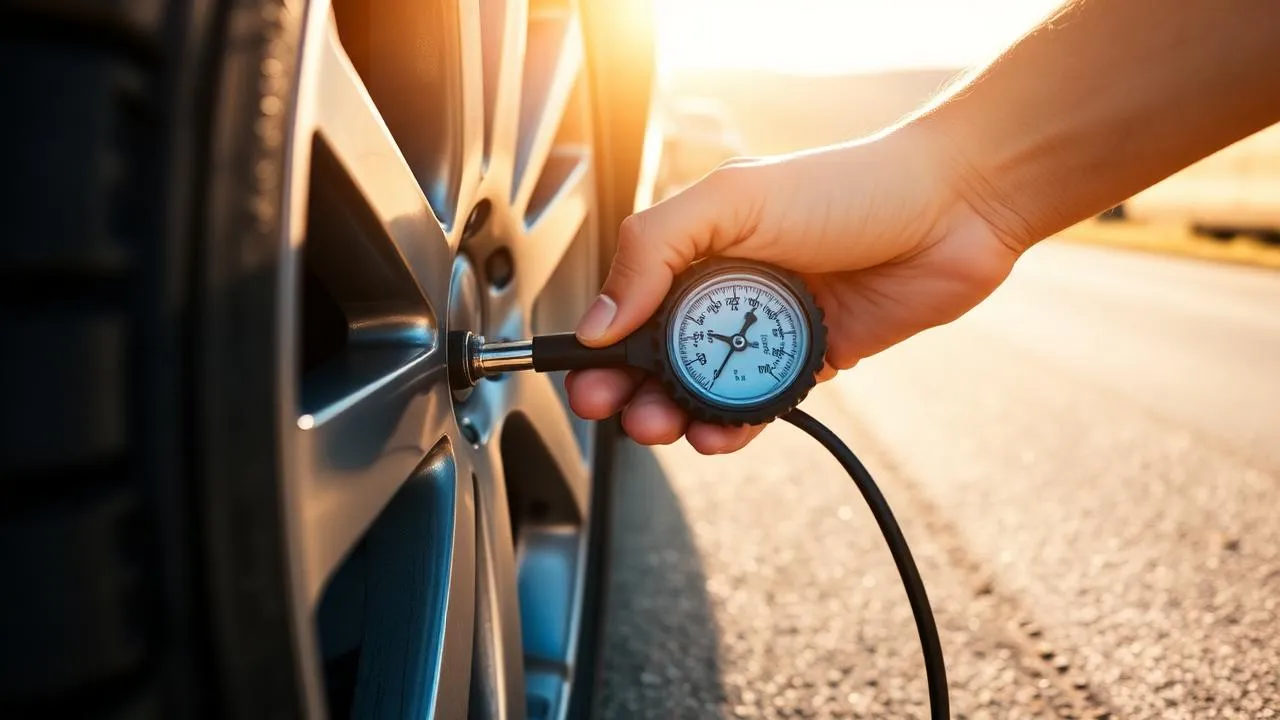
- Keep pressure right. Underinflated tires flex more, generate more heat, and wear shoulders faster. Overinflated tires wear centers and ride harshly. The door sticker is the right number.
- Get an alignment after curb hits or pothole impacts.Bad alignment kills tires faster than anything else.
The honest pitch
We will not push the most expensive tire we sell. We will help you pick the right tire for how you actually drive, where you actually drive, and how long you want them to last. That is the whole conversation. Stop in, kick a few sidewalls, and let us give you a real recommendation.
Legacy Automotive Team
Boulder's NAPA Gold Certified shop since 2013. Real techs, honest writing, no AI fluff.